
The École Universitaire de Recherche Interdisciplinaire de Paris (EURIP) is pioneering a new approach to graduate education. With its Master’s degree and Doctoral school, EURIP trains the next generation of researchers and professionals to tackle global challenges through interdisciplinarity, innovation and international collaboration. With 140 students from around the world, the graduate school is redefining what it means to learn, conduct research and make an impact.
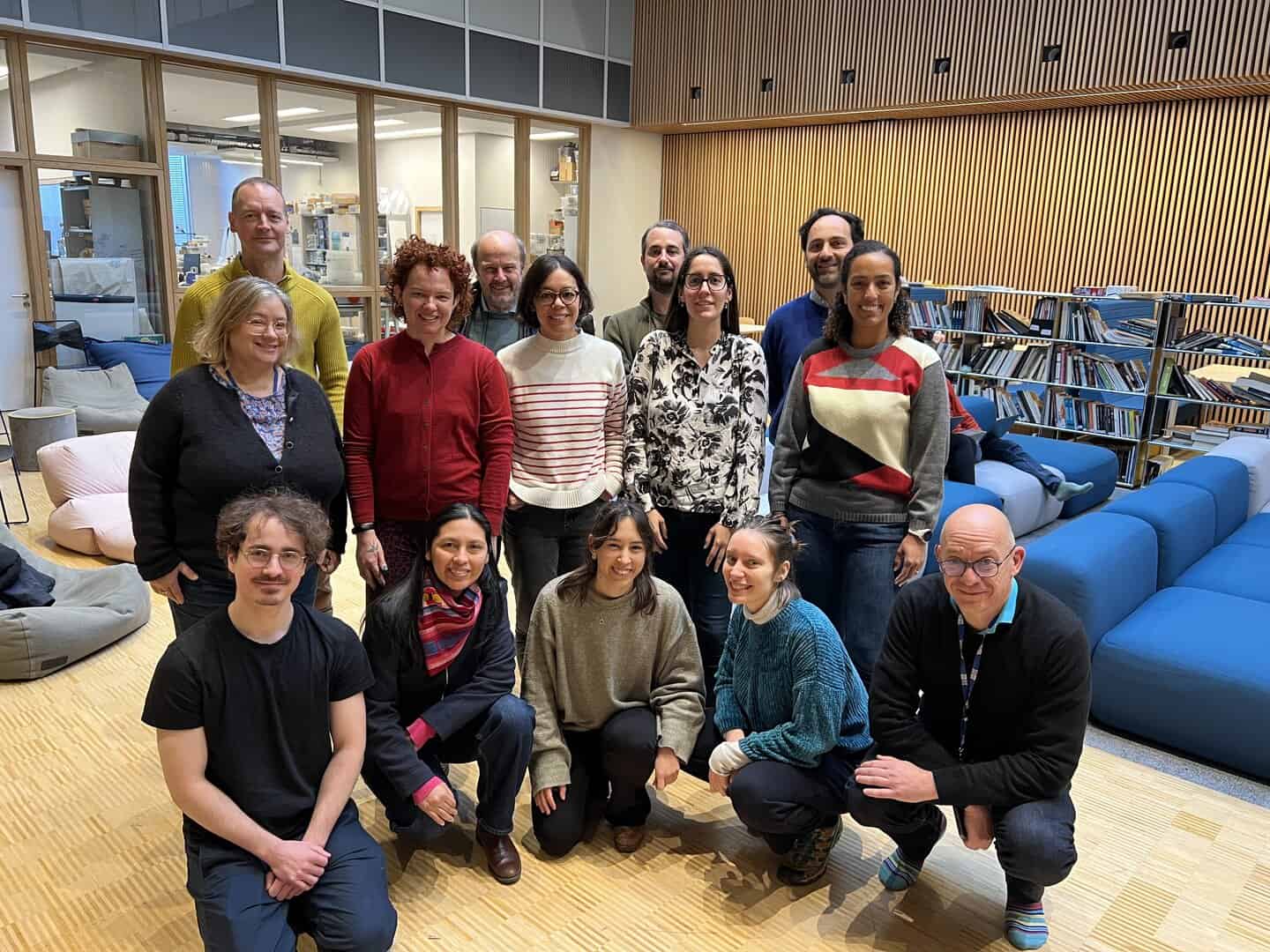
Interview with Inês Lages, Project Manager at EURIP
Inês Lages, a biomedical scientist with experience across Portugal and Italy, brings her cross-disciplinary perspective to EURIP as project manager at Université Paris Cité & Learning Planet Institute.
A unique ecosystem for interdisciplinary research
What is EURIP Graduate School?
EURIP brings together two complementary programmes under one roof. This space allows both Master’s students and doctoral candidates from all over the world to learn and collaborate across disciplines.
The École Universitaire de Recherche Interdisciplinaire de Paris, or EURIP, is a Graduate School combining Master’s and Doctoral programmes. Based at the Learning Planet Institute and co-accredited by Université Paris Cité and PSL University, EURIP brings together the AIRE Master’s degree (Approches Interdisciplinaires de la Recherche et de l’Éducation) and the FIRE Doctoral School (Frontières de l’Innovation en Recherche et Éducation). Together, they form a unique ecosystem dedicated to research, innovation, and education through an interdisciplinary lens.
Currently, EURIP welcomes 140 students across both programmes, with 58% international profiles. Since 2019, we’ve organized 60 masterclasses by internationally renowned speakers on topics ranging from AI ethics to sustainable development and planetary health, and our alumni have created 81 structures.
What is EURIP’s purpose? Why was it created?
EURIP was created to provide truly interdisciplinary, research-oriented training that responds to major challenges of our time: sustainability, planetary health, and the intersection between science, digital technology, and education. The programme is built on the conviction that interdisciplinarity is key to solving complex global problems. Only by combining knowledge from different disciplines can students approach issues from multiple perspectives.
EURIP’s goal is to host students who are not only excellent in their fields but also versatile, curious, and capable of adapting to a rapidly changing world. We train continuous learners who can cross disciplinary boundaries, work in international contexts, and connect academic knowledge with entrepreneurship. EURIP aims to prepare students not just for today’s challenges but for tomorrow’s.
This initiative was established to promote academic excellence and increase international visibility of French research and higher education.
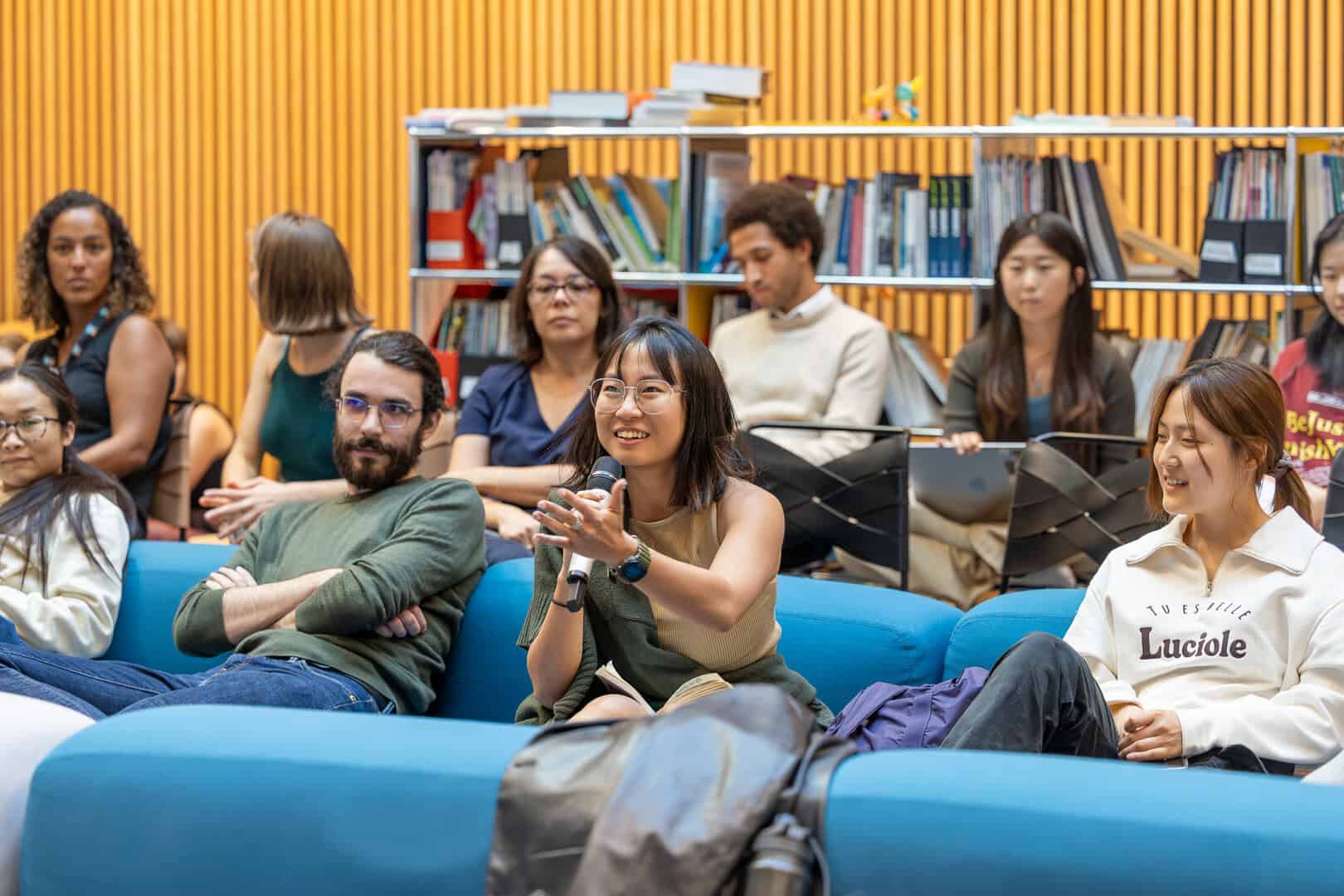
An international community of innovative researchers
With students tackling some of the world’s most pressing challenges related to health, sustainability, education and many more fields, EURIP thrives on diversity and co-construction.
Who is leading the project?
EURIP is led by François Taddei, co-founder and director of the Learning Planet Institute, under the umbrella of Université Paris Cité and co-accredited by PSL University.
Who is EURIP aimed at?
The programme primarily welcomes international students, as all courses are taught in English. It’s designed for master’s students interested in interdisciplinary research on sustainability, planetary health, and education, as well as doctoral candidates pursuing unconventional cross-disciplinary research projects.
The AIRE Master’s degree currently has 45 students with an average age of 27 years, 90% international. The FIRE Doctoral School hosts 95 PhD students, welcoming approximately 30 new candidates per year, with 48% coming from abroad.
Our doctoral research is remarkably diverse. PhD students work on projects like « Predictive Utility in Social System Maintenance: The Cognitive Foundations of Social Stability », social issues like « Rethinking reintegration: An analysis of the intersectional identities and educational journey of formerly incarcerated women, » healthcare challenges such as « A frugal innovation framework for open source medical devices, » or participatory science like « Open Source Oceanography, » and contemporary challenges including « Epistemic vigilance in the age of disinformation. » Plenty of subjects and disciplines. And those are only a few examples!
Who are the partners of this programme?
The project is co-financed by the Learning Planet Institute and the French National Research Agency (ANR, Agence Nationale de la Recherche) under the Graduate School PIA3 (Troisième Programme d’Investissements d’Avenir) framework (50% ANR, 50% LPI). Université Paris Cité is the leading public institution, and the doctoral programme is co-accredited by PSL University.
EURIP benefits from a strong international network. Tsinghua University in China developed its OpenFIESTA (Open Faculty for Innovation, Education, Science, Technology and Art) programme, inspired by the AIRE Master’s model. We partner with University College London (UCL) on interdisciplinary projects related to UN Sustainable Development Goals. FIRE doctoral students and AIRE Master’s students participate in training opportunities offered by the European University Circle U. EURIP is also connected to the Learning Planet Institute’s wider network, including the Learning Planet Alliance and UNESCO.
Beyond traditional graduate programmes
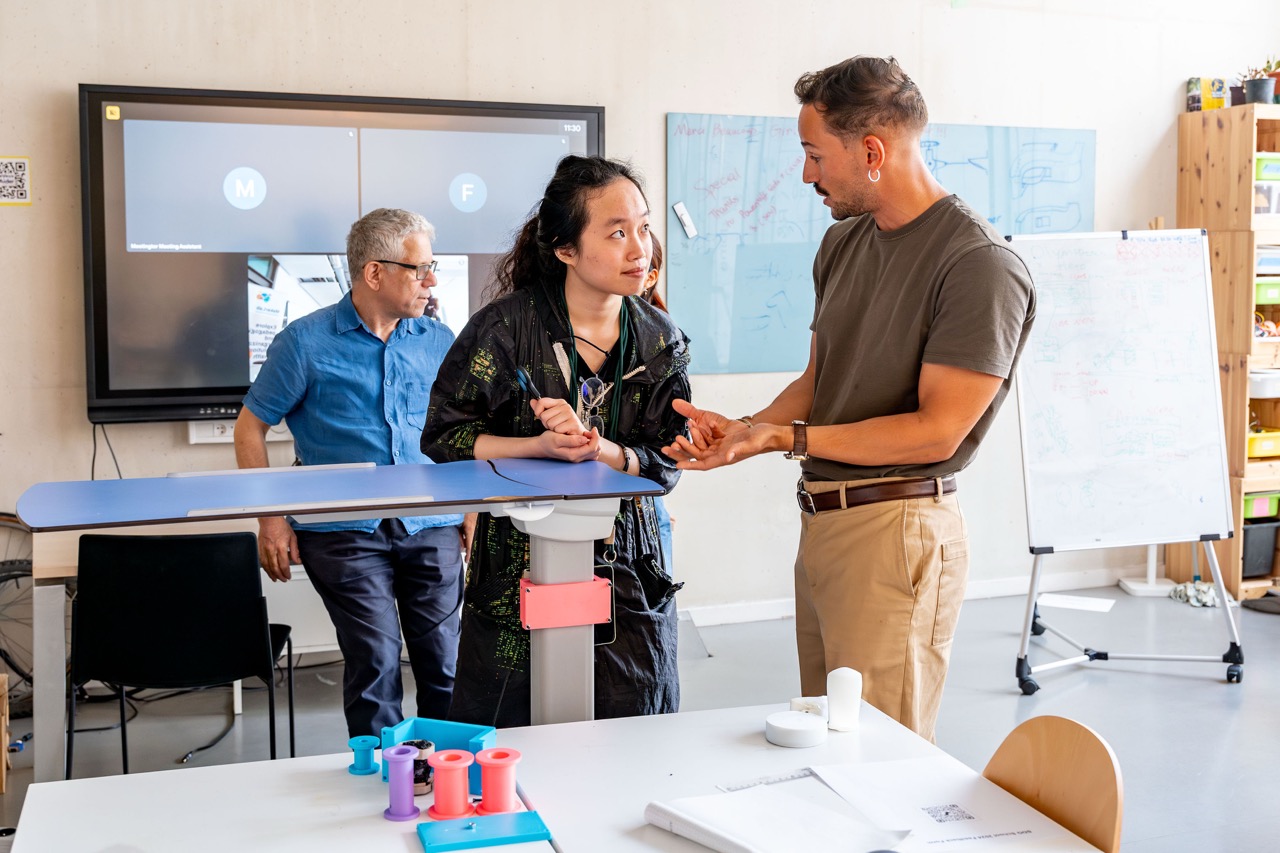
EURIP sets apart from conventional graduate education by prioritizing hands-on learning, international collaboration, and real-world impact.
What are the main strengths of EURIP compared to classical academic paths?
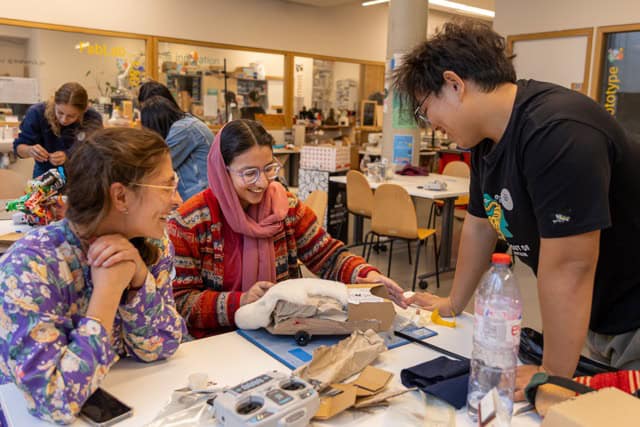
What distinguishes EURIP is its deep commitment to interdisciplinarity and practical experiences. The programme bridges life sciences, digital technologies, and social sciences through research, project-based, and challenge-driven learning. Students learn primarily through experience and workshops (about networking, critical thinking…) rather than traditional lectures.
Its international orientation is key, with English as the language of instruction and a largely international community. The programme emphasizes societal impact. It prepares students for careers both within and beyond academia (NGOs, startups, industry…). EURIP also benefits from a powerful ecosystem providing access to international networks, mentoring, and funding opportunities, including excellence scholarships.
How does this fit within the LP Academy?
The Learning Planet Academy is a global initiative by the Learning Planet Institute to empower youth, teachers and leaders to become « planetary citizens » and active learners throughout their lives. EURIP sits naturally within this framework as an advanced graduate path building the next generation of researchers and innovators aligned with LPA’s mission of transforming higher education into a life-long, collaborative, and purpose-driven process.
Behind the scenes : EURIP coordination
As project manager, Inês Lages explains her role and sends a message to students who are curious about EURIP.
What would you say to potential future students?
If you are curious, want to cross disciplinary boundaries, and are passionate about addressing major challenges facing our world, then EURIP is for you.
You won’t be confined to a single discipline or a traditional academic path. You will join a truly international community where students from around the world bring diverse perspectives. You will learn by “doing through research” projects, real-world challenges, and collaboration with partners like Tsinghua University, UCL, and UNESCO.
Whether pursuing a Master’s with AIRE or a doctoral programme with FIRE, you will join continuous learners preparing not just for today’s challenges but tomorrow’s as well. You will have access to excellence scholarships, international networks, mentoring, and the Learning Planet Institute ecosystem!